
The Federal Reserve's January 2026 meeting concludes on January 28-29, and market participants are questioning whether the central bank will adjust interest rates amid ongoing economic uncertainty. The Polymarket prediction market shows a 0% probability of any rate change, suggesting strong market consensus for the Fed to maintain current rates.
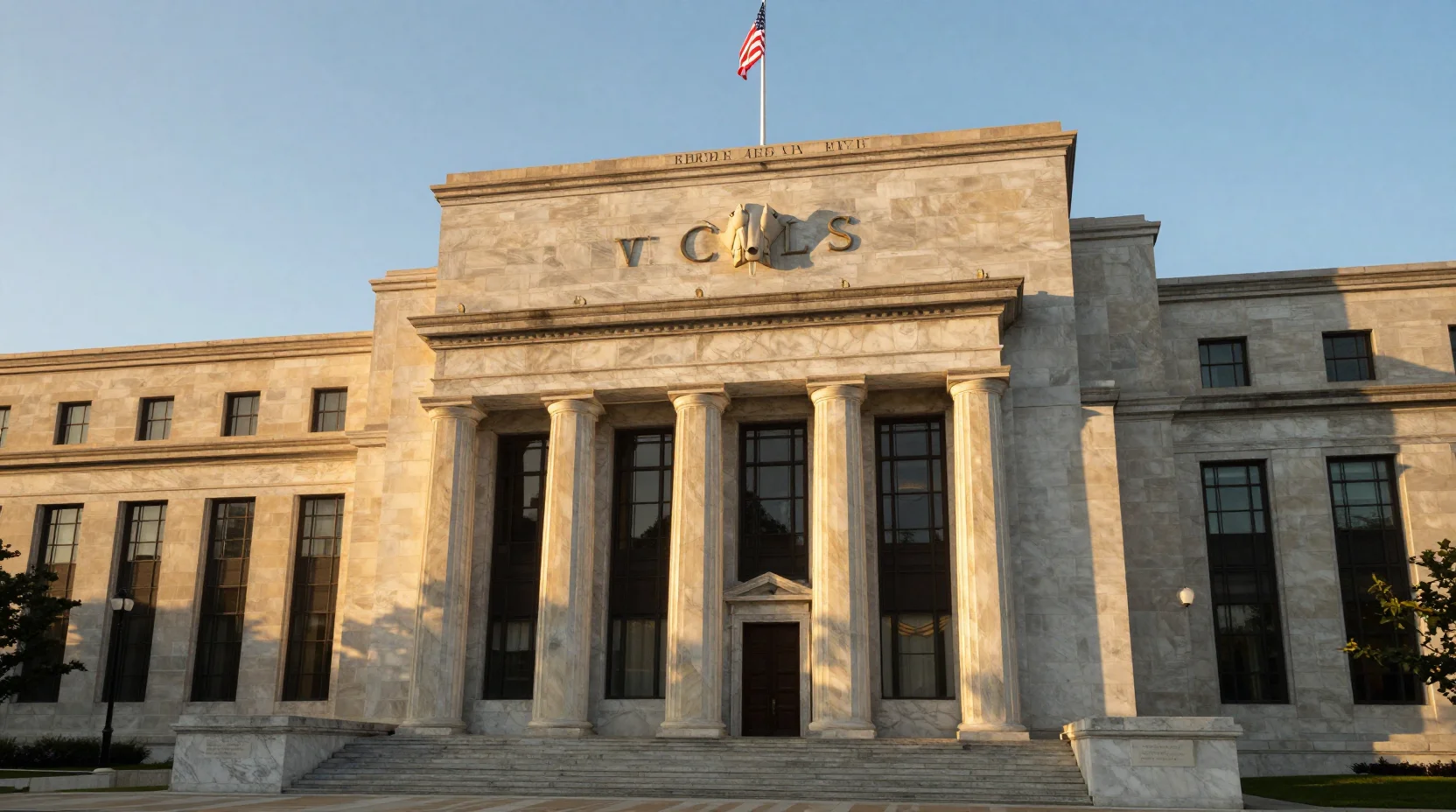
Current Situation
The Federal Reserve has kept interest rates steady since July 2023, with the federal funds rate target range currently at 4.25-4.50%. Recent statements from Fed officials indicate that monetary policy remains in a "good place" and that any future calibration should be "deliberate." The January meeting will be the first FOMC gathering of 2026 and comes just days after the presidential inauguration on January 20.
A recent Reuters poll of economists indicates that the Fed is expected to hold rates steady not just through January, but potentially through March and possibly through the remainder of Chair Jerome Powell's tenure. This consensus is based on resilient economic growth and inflation that, while moderating, remains above the Fed's 2% target.
Market Expectations and Fed Communication
Federal Reserve officials have consistently emphasized that policy decisions remain data-dependent. San Francisco Fed President Mary Daly recently stated that policy is well-calibrated and that adjustments should be gradual. Richmond Fed President Thomas Barkin described December inflation data as "encouraging," suggesting progress toward the 2% goal.
The Polymarket prediction market reflects this sentiment, showing zero probability of a rate change at the January meeting. This consensus aligns with broader market expectations, as evidenced by CME FedWatch Tool data showing minimal pricing for rate adjustments in early 2026.
| Indicator | Current Status | Signal |
|---|---|---|
| Federal Funds Rate | 4.25-4.50% target range | On Hold |
| Inflation Trend | Moderating but above 2% target | Hawkish Bias |
| Market Probability (Polymarket) | 0% chance of January change | Strong Hold Signal |
| Economic Growth | Resilient GDP growth | Neutral |
| Fed Official Stance | "Policy in good place" | Hold Consensus |
Key Factors
The Fed's decision at the January meeting will likely be influenced by several factors. First, inflation data continues to show gradual moderation, with December readings described by Fed officials as encouraging. However, core inflation remains elevated relative to the 2% target, suggesting the Fed is in no rush to cut rates.
Second, economic growth has proven more resilient than anticipated, with household net worth increasing by $6.1 trillion in Q3 2025 to reach $181.6 trillion. This financial stability reduces pressure on the Fed to stimulate the economy through rate cuts.
Third, the political context is significant. The January meeting occurs just days after a presidential inauguration, and Fed Chair Jerome Powell has recently stated that administration officials have threatened him with criminal indictment over his Senate testimony. This extraordinary political pressure may reinforce the Fed's institutional independence and lead to a deliberately cautious approach.
Fourth, the labor market remains tight by historical standards, though job growth has moderated from the exceptionally strong pace of 2023-2024. The Fed typically prefers to see clear evidence of labor market softening before cutting rates.
Finally, the Reuters poll of economists indicates not just a January hold, but the possibility that rates remain steady through March and potentially through Powell's tenure. This reflects expectations that the Fed may have reached the terminal rate for this cycle and that cuts will only come if economic conditions deteriorate significantly.
The Fed's communication strategy has emphasized patience and data-dependence. Officials have repeatedly pushed back against market expectations for near-term rate cuts, preferring to keep options open and avoid locking into a specific timeline. This approach allows maximum flexibility to respond to incoming economic data.
Prediction
Direction: Neutral Probability: 95% Horizon: 4 days (January 29, 2026) Answer: No
Based on the unanimous market consensus (0% probability of change on Polymarket), explicit statements from Fed officials that policy is "in a good place," resilient economic data including $6.1 trillion in Q3 household net worth growth, and the Reuters poll showing economists expect rates to hold steady through March, there is overwhelming evidence that the Fed will maintain current rates at the January meeting. The 5% residual probability accounts for the possibility of unexpected economic shocks or data surprises between now and January 29, but the base case is clearly for no change in monetary policy.