
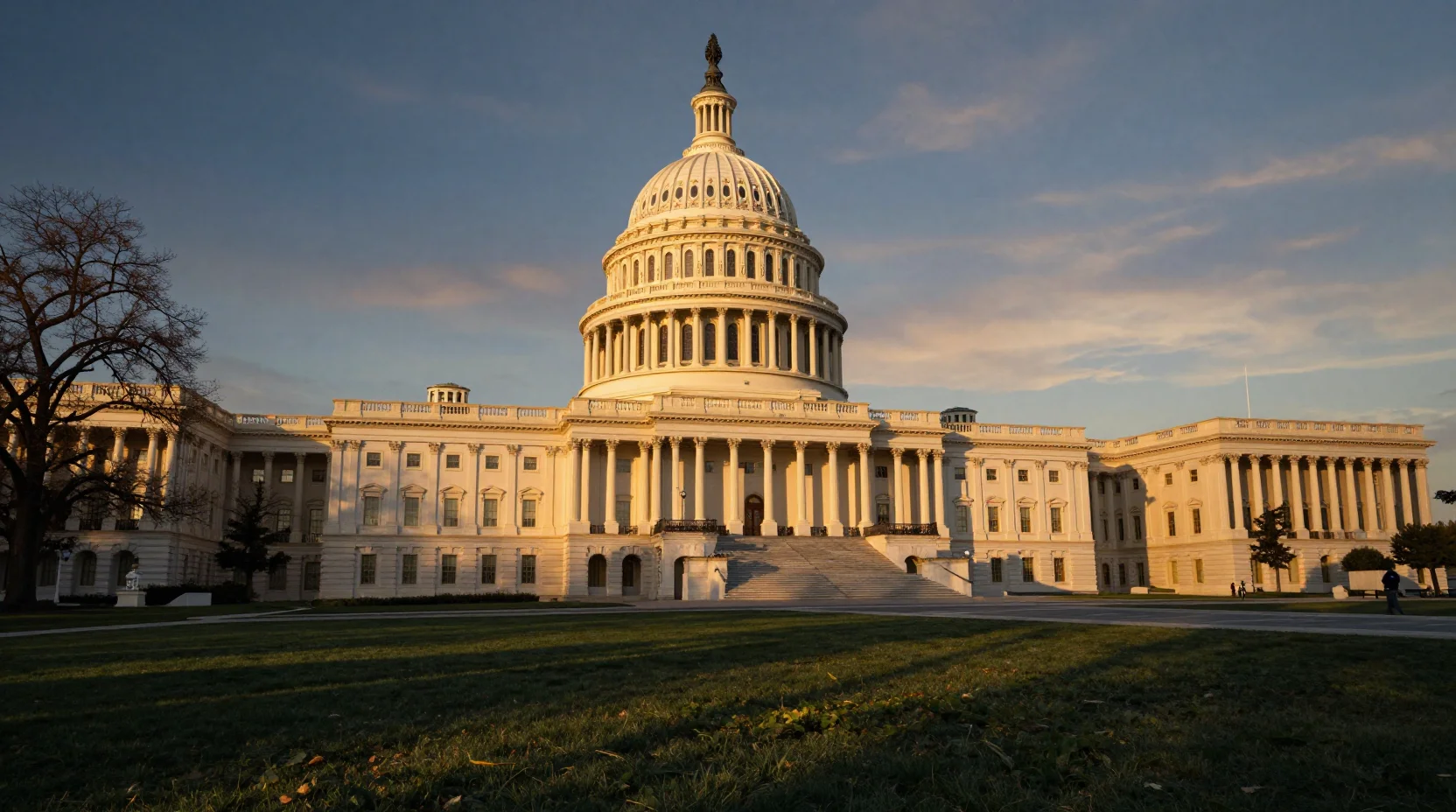
The United States federal government faces a potential shutdown on Saturday, January 30, 2026, as Congress races against a critical funding deadline. The situation remains uncertain with just days remaining before current funding measures expire.
Current Situation
As of January 29, 2026, Congress has yet to pass a comprehensive funding package or a continuing resolution to keep government operations running beyond the January 30 deadline. The Polymarket prediction market currently shows a 72% probability of a shutdown occurring by Saturday, reflecting significant market uncertainty about the outcome of negotiations.
A government shutdown would result in the suspension of non-essential federal operations, potentially affecting hundreds of thousands of federal workers who would be furloughed or required to work without pay until funding is restored.
Historical Context and Impact
Government shutdowns occur when Congress fails to enact either regular appropriations bills or continuing resolutions (CRs) to fund federal agency operations and programs. When a shutdown happens, non-essential government services cease, and federal employees are either furloughed or work without immediate pay.
The immediate economic impact of a government shutdown includes:
- Delayed paychecks for approximately 800,000 federal employees
- Suspension of certain government services
- Reduced economic activity in areas with large federal workforce concentrations
- Potential delays in government permits, approvals, and processing
The current political climate suggests funding negotiations may be contentious, with the Polymarket market showing $17.3 million in trading volume, indicating strong public interest in this outcome.
Key Factors
Several critical factors will determine whether a shutdown occurs:
Timing Pressure: The January 30 deadline leaves little room for extended negotiations. If Congress cannot reach agreement by Friday evening, a shutdown becomes almost certain.
Political Dynamics: The current Congress faces significant partisan divides over spending levels and policy priorities. Successful negotiation requires compromise on multiple fronts, including overall spending totals and specific program funding.
Historical Patterns: Government shutdowns, while disruptive, have historically been resolved within days to weeks. The longest shutdown in U.S. history lasted 35 days in 2018-2019, but most are significantly shorter.
Market Implications: The 72% probability on Polymarket suggests that traders and analysts believe a shutdown is more likely than not, but the 28% chance of avoidance indicates negotiations could still succeed at the last minute, as often happens in previous funding crises.
Prediction
Direction: Bearish for government operations Probability: 72% Horizon: 2 days (by January 30, 2026) Answer: Yes
Based on the current 72% probability on Polymarket, with significant trading volume ($17.3 million) indicating market conviction, a shutdown appears more likely than not. However, the 28% chance of last-minute agreement reflects the historical pattern of Congressional resolutions occurring just before deadlines. The prediction favors a shutdown but acknowledges meaningful uncertainty.