
With the January 31 funding deadline approaching, the United States faces the possibility of a government shutdown if Congress fails to pass a continuing resolution or appropriations bill. The Polymarket prediction market currently shows a 56% probability of a shutdown occurring, indicating that market participants view this outcome as slightly more likely than not.
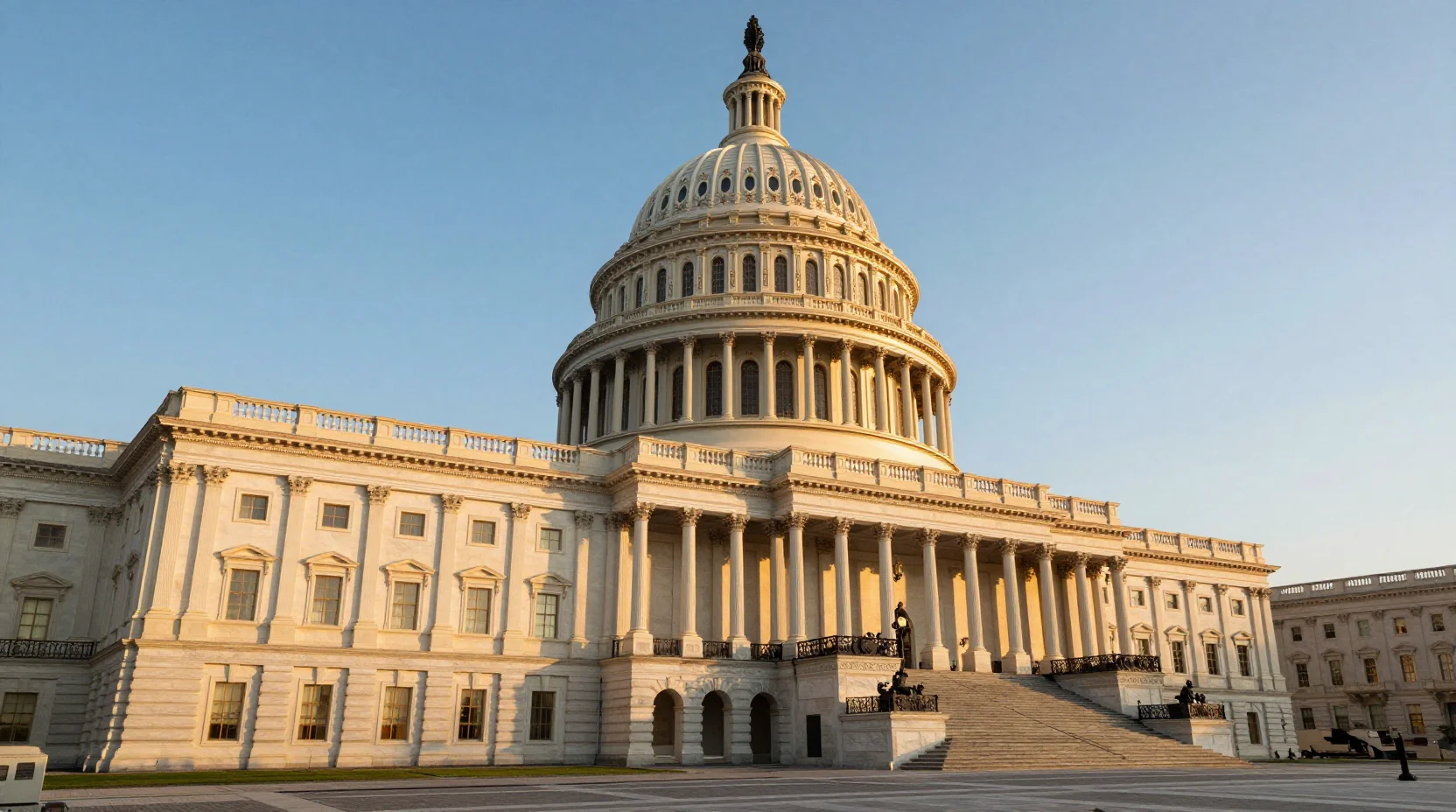
Current Situation
The federal government faces a critical deadline of January 31, 2026, to secure funding for government operations. Without passage of a continuing resolution (CR) or full appropriations bills, non-essential government functions would cease, potentially affecting hundreds of thousands of federal workers and numerous government services. The current administration, led by President Trump, has positioned the economy for growth through tariffs and tax cuts, according to recent White House communications, but a shutdown could disrupt these economic momentum.
Key Factors
The shutdown risk stems from several interconnected factors. First, Congress must pass funding legislation before the deadline, requiring bipartisan cooperation in a politically divided environment. Historical shutdown patterns show that funding disputes often center on policy riders, spending levels, and contentious priorities between the executive and legislative branches. Second, the current political climate features ongoing debates over spending priorities, border security funding, and fiscal policy direction. Third, the proximity to other major policy initiatives may complicate negotiations, as lawmakers balance competing priorities.
The economic context adds complexity to this decision. Recent White House statements highlight low inflation and wage growth as economic achievements, suggesting the administration would prefer to avoid disruption that could jeopardize these gains. However, policy objectives such as border security or domestic spending priorities may create leverage points that increase shutdown risk.
Historical Context
Government shutdowns have occurred multiple times in recent decades, typically lasting from a few days to several weeks. The longest shutdown in history, spanning 35 days in 2018-2019, centered on border security funding. Shorter shutdowns have occurred due to policy disagreements and budget negotiations. Each shutdown carries economic costs, including lost productivity, delayed government services, and uncertainty for federal employees and contractors.
Prediction
Direction: Bearish Probability: 56% Horizon: 1 day (January 31, 2026) Answer: Yes
Based on the Polymarket probability of 56%, market participants assess a shutdown as more likely than not. The narrow margin above 50% reflects genuine uncertainty about Congressional negotiations. Key indicators to watch include last-minute legislative activity, statements from leadership, and the emergence of compromise proposals. However, the compressed timeframe and potential for policy leverage create conditions where funding lapses become probable despite economic costs.
Sources
Prediction data from Polymarket prediction market.