
The question of potential US military strikes against Iran has gained significant attention in prediction markets, with Polymarket数据显示市场对美军下一次对伊朗军事行动时间的预期存在分歧。截至2026年1月25日,相关预测市场显示,美军在2026年1月底前对伊朗实施军事打击的概率为50%,这一不确定性反映了当前美伊关系的复杂态势。
The Polymarket prediction market data reveals a divided consensus among traders regarding the timing of potential US military action against Iran. This 50% probability represents significant uncertainty about whether military strikes will occur before the end of January 31, 2026. The evenly split market sentiment reflects the complex dynamics currently defining US-Iran relations and the multiple factors that could influence military decision-making in the coming days.
Current Situation
根据Polymarket预测市场数据,关于美军下一次对伊朗军事行动的时间点,市场预期呈现均匀分布。这与另一个相关问题"美军将在2026年6月底前对伊朗实施军事打击"形成了有趣对比——后者概率仅为18%,表明市场更倾向于认为短期内发生军事冲突的可能性较低,但对具体时间点的判断存在较大分歧。
The market's 50% probability for strikes by January 31, 2026, contrasts sharply with the 18% probability for strikes by June 30, 2026. This divergence suggests that while the immediate timeframe presents considerable uncertainty, traders collectively believe that military conflict becomes less likely over longer horizons. The data indicates that any potential military action is more likely to occur sooner rather than later, contingent on specific triggers or escalations in the near term.
美国国会近期关注的军事行动透明度议题也值得关注。参议院法案S.3539要求公开2025年9月2日美军针对恐怖组织进行打击的视频资料,这反映了国会对军事行动监督的关注度提升。该法案涉及美国南方司令部责任区域的行动记录发布。
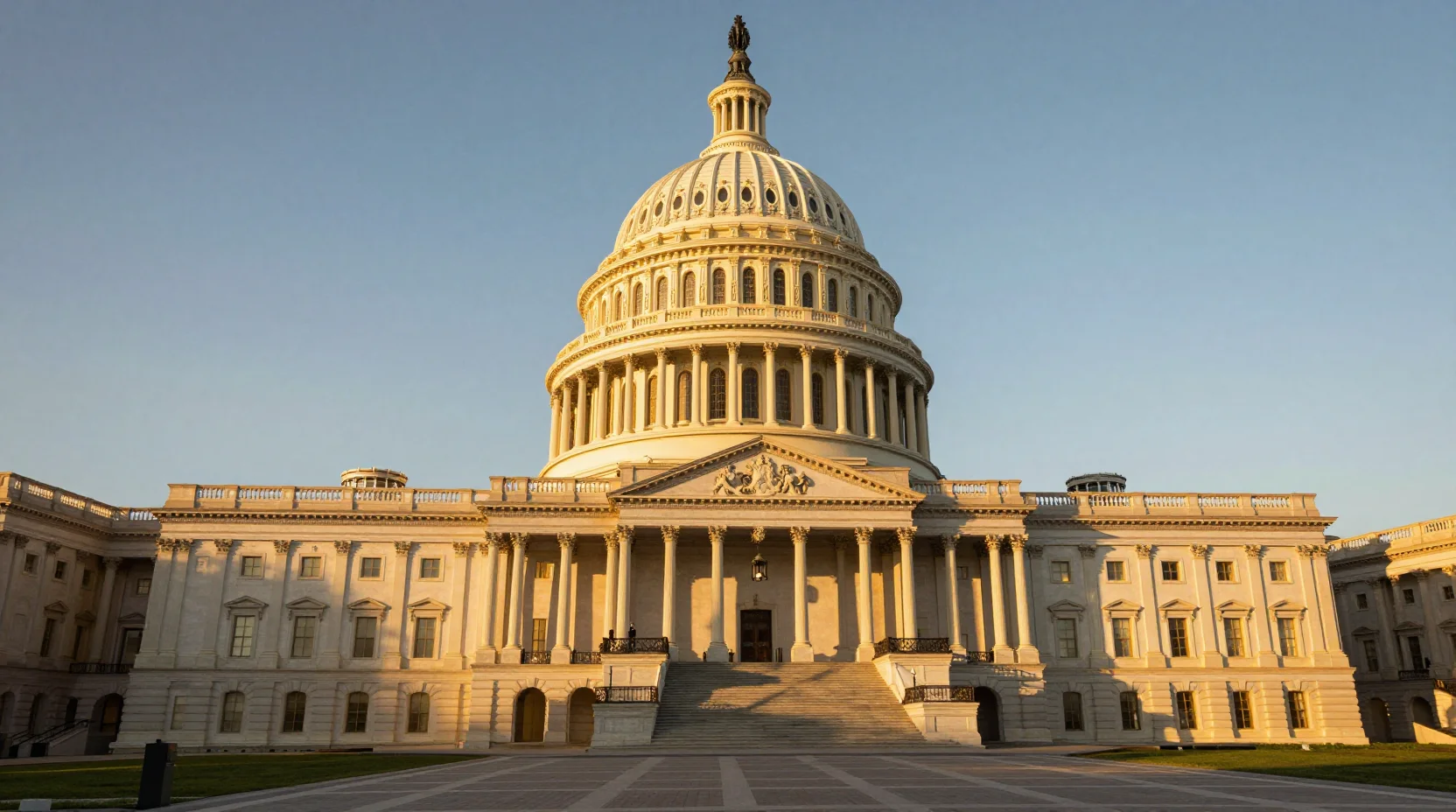
This congressional focus on military transparency reflects broader concerns about oversight of US military operations. The requirement to release video footage of September 2025 strikes demonstrates increased congressional scrutiny of military engagements. While this specific bill concerns operations in the US Southern Command's area of responsibility, it signals a political climate where military actions face greater accountability requirements, potentially influencing decision-making processes regarding potential strikes against Iran.
Historical Context and Regional Dynamics
美伊两国之间的紧张关系由来已久,涉及核问题、地区影响力竞争、代理人冲突等多个层面。美军在中东地区的军事存在,特别是在波斯湾水域的部署,一直是地区安全格局的重要因素。
Tensions between the United States and Iran have persisted for decades, encompassing nuclear disputes, competition for regional influence, and proxy conflicts across the Middle East. The US military maintains a significant presence in the region, particularly in the Persian Gulf, where naval forces operate to ensure freedom of navigation and support regional allies. This military posture has been a constant factor in the regional security architecture and shapes calculations on both sides.
预测市场参与者对美军军事行动时间点的判断分歧,可能反映了多种因素的复杂互动:一是美国政府当前的外交政策优先级,二是地区局势的发展态势,三是伊朗方面的反应和行动,四是国际社会的调解努力。市场预期的均匀分布表明,短期内做出明确预测的难度较大。
The divergence in market participants' assessments of potential military action timing reflects the complex interplay of multiple factors. First, the current US administration's foreign policy priorities and decision-making processes remain unclear to outside observers. Second, the evolving security situation across the Middle East, including Iran's activities in Syria, Iraq, Yemen, and its support for proxy forces, creates multiple potential flashpoints. Third, Iran's response to various pressures and provocations could trigger either escalation or de-escalation. Fourth, international diplomatic efforts by European allies, the United Nations, and regional actors may succeed in reducing tensions or fail to prevent confrontation. The market's even split suggests that predicting outcomes within this complex system within a short timeframe presents substantial challenges for even well-informed traders.
Key Factors Influencing Timeline
当前影响美军对伊朗军事行动时间表的关键因素包括:
外交进程:美国政府通过外交渠道解决与伊朗分歧的意愿和能力直接影响军事选项的考虑。外交途径的成功可能推迟或避免军事行动。
Diplomatic initiatives, whether direct negotiations between Washington and Tehran or indirect talks through intermediaries, could significantly reduce the likelihood of military action in the short term. Successful diplomatic engagement requires willingness from both sides to compromise and find face-saving solutions. The Biden administration's approach to Iran policy, including potential sanctions relief or nuclear negotiations, remains uncertain, creating additional unpredictability regarding whether military options will be pursued.
地区局势:中东地区的整体安全环境,包括伊朗在叙利亚、伊拉克、也门等地的活动,以及以色列等盟友的安全关切,都会影响美国的决策考量。
The broader regional security environment plays a critical role in determining whether military action becomes more or less likely. Iran's support for proxy groups in Lebanon, Syria, Iraq, and Yemen creates ongoing tensions that could escalate into direct confrontation. Additionally, Iran's nuclear program developments, whether advancements in uranium enrichment or restrictions imposed by international agreements, represent a key factor that could trigger military responses. The security concerns of regional allies, particularly Israel and Gulf Arab states, also influence US calculations, as American military commitments to partner nations could draw the United States into conflicts.
国内政治:美国国内的政治氛围和国会对军事行动的支持程度也是重要因素。国会对军事行动透明度的要求反映了国内对军事干预的审慎态度。
Domestic political considerations within the United States significantly constrain or enable military options. Public opinion regarding potential military action against Iran remains divided, with war fatigue from prolonged Middle East engagements making military intervention less popular. Congressional support for military action would require extensive debate and justification, particularly given the constitutional requirement for legislative oversight of war-making. The current political climate, with Congress demanding greater transparency and accountability for military operations, suggests that any decision to conduct strikes would face intense scrutiny and require robust legal justification.
伊朗行为:伊朗方面的政策选择和行动,包括其核项目进展、地区代理人活动、以及对美国利益的直接挑战等,都会影响美国的应对策略。
Iran's actions and policies represent perhaps the most critical variable in determining whether military conflict occurs. Specific Iranian actions that could trigger US military responses include attacks on US personnel or facilities in the region, interceptions of commercial shipping in critical waterways, advances in nuclear weapons capabilities that cross declared "red lines," or provision of sophisticated weaponry to proxy groups that directly threaten US forces or allies. Conversely, Iranian decisions to de-escalate tensions, comply with international agreements, or exercise restraint in response to provocations could reduce the probability of military action.
Prediction
Direction: Uncertain
Probability: 50%
Horizon: 6 days (January 31, 2026)
Answer: Equivocal
基于Polymarket预测市场数据显示的50%概率,以及对当前美伊关系态势的分析,美军在2026年1月底前对伊朗实施军事打击的可能性存在较大不确定性。市场预期的均匀分布表明,短期内做出明确判断的难度较大。这一预测反映了当前美伊关系的复杂性和多种可能性,建议持续关注外交进程和地区局势发展。
Based on the Polymarket prediction market data showing a 50% probability, combined with analysis of the current US-Iran relationship dynamics, the likelihood of US military strikes against Iran before the end of January 2026 remains highly uncertain. The evenly split market expectations demonstrate the difficulty of making confident predictions within this short timeframe. This prediction reflects the inherent complexity of US-Iran relations and the multiple plausible scenarios that could unfold over the coming days.
The key drivers of this uncertainty include the lack of clear information about US decision-making processes regarding Iran, the unpredictable nature of potential trigger events, and the possibility of last-minute diplomatic interventions that could avert military action. The 50% probability suggests that prediction market participants see military action and restraint as equally likely outcomes, indicating that the situation could tip in either direction depending on rapidly evolving circumstances.
Investors and observers should monitor several key indicators in the coming days: public statements from US officials regarding Iran policy, reports of military movements in the Persian Gulf region, Iranian actions regarding its nuclear program or regional proxies, and any signs of diplomatic engagement between Washington and Tehran or through intermediary nations. Any significant developments in these areas could rapidly shift probabilities and provide clearer signals about the likelihood of military action before the January 31, 2026 horizon.
Sources
- Polymarket Prediction Market - Real-time probability data on US military strikes against Iran timing