
Elon Musk's social media presence has become a significant force in shaping public discourse, with his posts on X (formerly Twitter) frequently generating substantial engagement and media attention. The week of January 20-27, 2026 represents a critical window to assess whether his tweet activity translates into tangible policy discussions or remains limited to social media commentary.
Current Context
The prediction market tracking this question shows an even split at 50% probability, reflecting uncertainty about whether Musk's social media activity will influence actual policy deliberations. With the market ending January 27, 2026, this timeframe captures a specific period of tweet activity rather than long-term influence patterns.
The Musk Factor in Policy Discourse
Elon Musk's ownership of X has transformed the platform into a direct channel for reaching millions of users. His posts frequently address regulatory issues, government policies, and political topics, creating a direct line to public discourse that bypasses traditional media gatekeepers. This dynamic raises questions about whether social media engagement translates into policy influence.
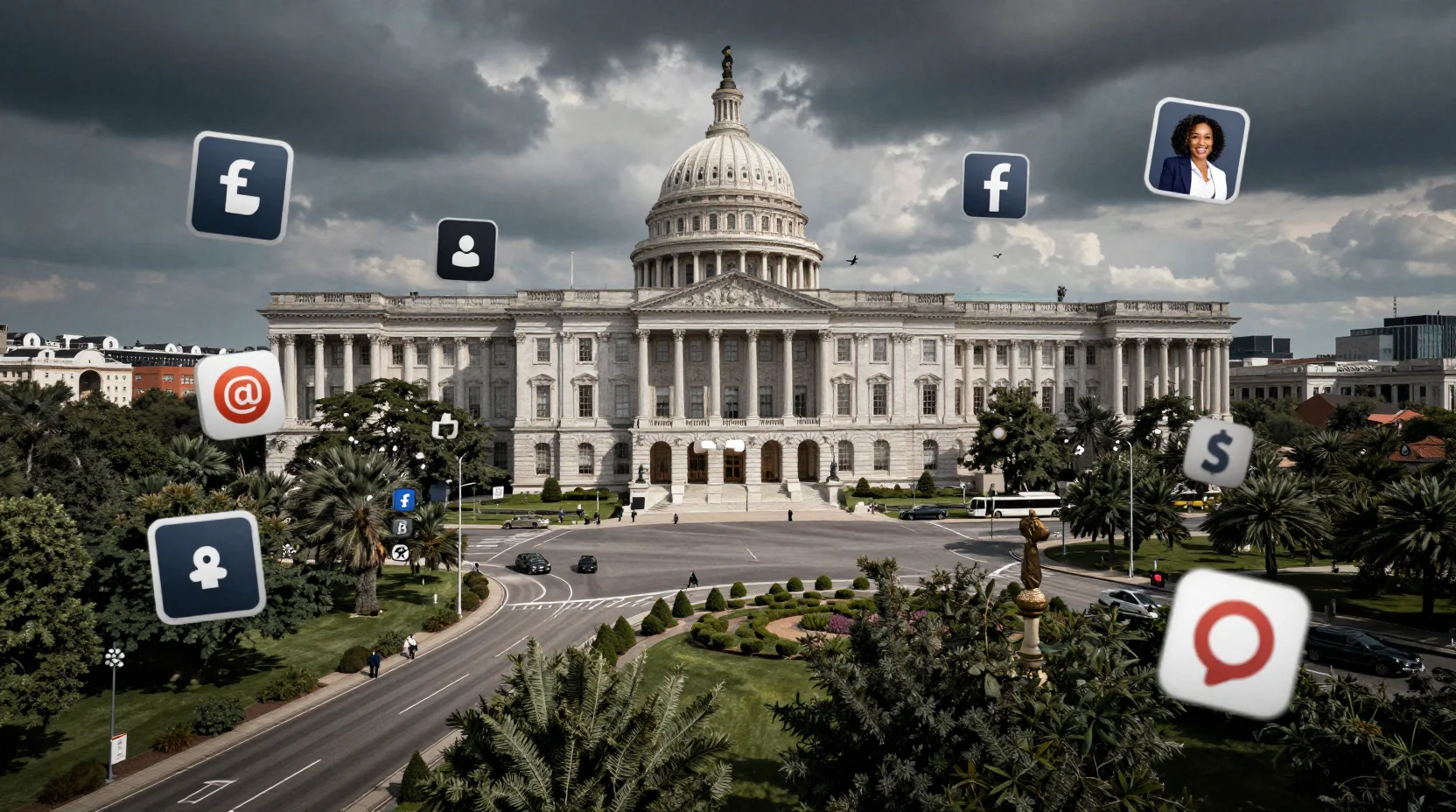
However, the distinction between social media commentary and actual policy impact remains significant. Policy discussions within government institutions typically involve formal processes, stakeholder consultations, and established regulatory frameworks that operate independently of social media trends.
Market Dynamics and Public Attention
The prediction market's 50% probability suggests the market views this outcome as uncertain. Several factors could influence this assessment:
Historical Precedent: Previous instances of social media activity affecting policy discussions show mixed results, with some cases generating media attention but limited legislative action.
Topic Relevance: Whether Musk's tweets address specific policy areas under active consideration by policymakers or remain general commentary.
Timing Alignment: The coincidence of tweet activity with actual legislative or regulatory decision-making windows.
Media Amplification: The extent to which traditional media outlets pick up and frame social media content as policy-relevant.
Assessment Framework
Evaluating policy influence requires distinguishing between different types of impact:
Direct Influence: Specific policy changes or legislative proposals explicitly referencing social media content.
Agenda Setting: Social media driving media coverage that elevates specific policy topics into formal discussions.
Public Engagement: Increased citizen awareness or mobilization around policy issues stemming from social media activity.
The prediction market appears to be assessing whether any of these forms of influence materialize within the specified timeframe.
Probability Assessment
Given the market's even split and the complexity of measuring policy influence, the outcome remains highly uncertain. The short timeframe (January 20-27) limits opportunities for sustained influence, while the unpredictable nature of both tweet content and policy windows creates significant variance in potential outcomes.
Prediction
Direction: Neutral Probability: 50% Horizon: 2 days (January 27, 2026) Answer: Uncertain
The prediction market's even split accurately reflects the high uncertainty surrounding this question. The outcome depends on multiple contingent factors including tweet content, policy windows, and media response patterns that cannot be reliably predicted within the short timeframe. The 50% probability represents the most rational assessment given current information.