
The Federal Reserve's January 2026 Federal Open Market Committee (FOMC) meeting concludes on January 28, 2026, and market participants overwhelmingly expect no change to the federal funds rate. Prediction markets show a 0% probability of a rate adjustment, reflecting strong consensus that the central bank will maintain its current policy stance amid stable economic conditions.
Current Situation
The federal funds rate currently remains at levels established in 2025, following the Fed's deliberate calibration approach to monetary policy. Recent statements from Federal Reserve officials suggest the central bank views its current policy position as appropriate for prevailing economic conditions. San Francisco Fed President Mary Daly emphasized that "policy in good place, calibration should be deliberate," indicating a preference for measured adjustments rather than abrupt changes to interest rates.
The prediction market data reinforces this view, with approximately $477 million in trading volume on Polymarket showing essentially zero probability assigned to a January rate change. This market consensus aligns with broader institutional expectations.
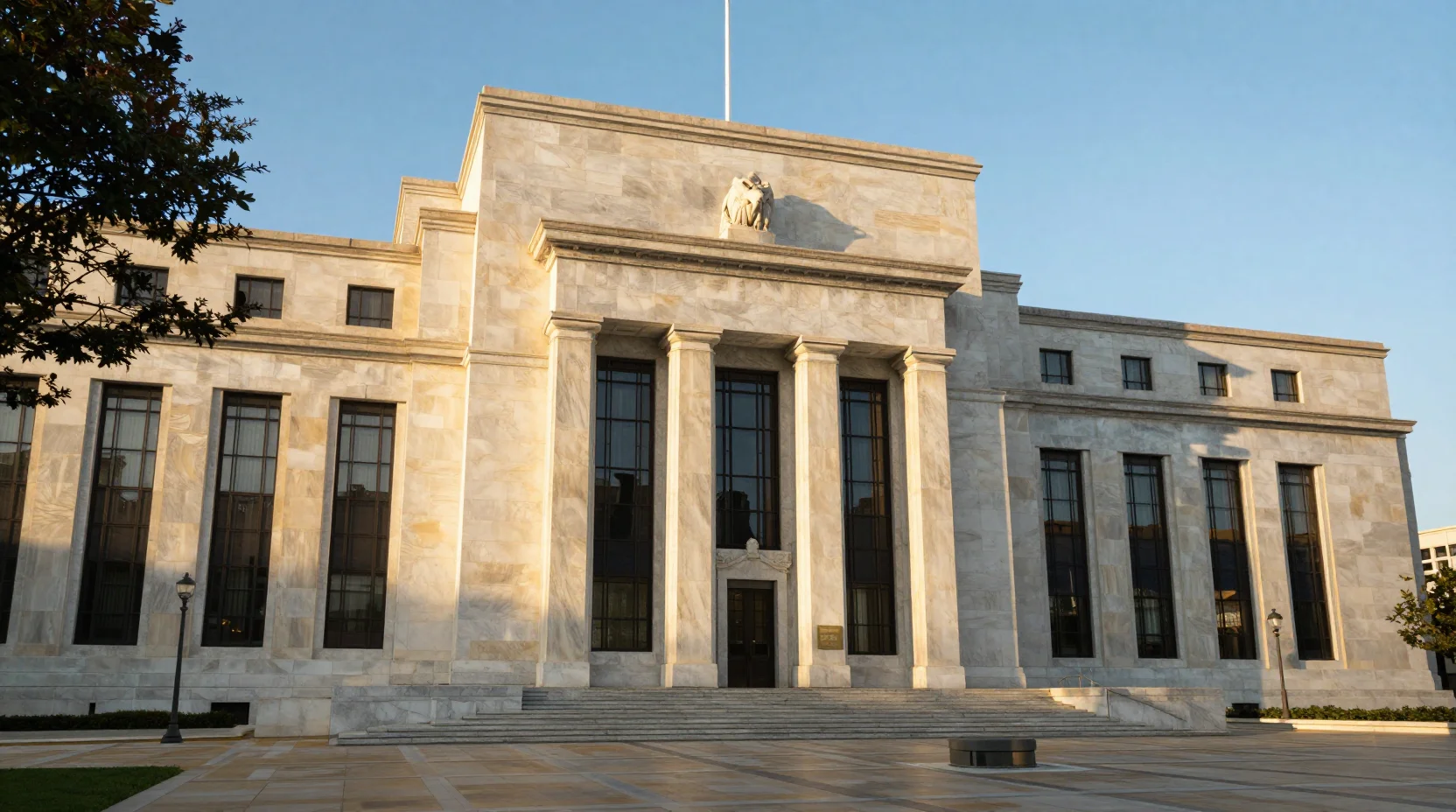
Economic Indicators
Recent economic data provides context for the Fed's current policy stance:
| Indicator | Recent Reading | Signal |
|---|---|---|
| Household Net Worth Q3 2025 | +$6.1 trillion | Strong consumer balance sheets |
| Corporate Equities Value | +$5.5 trillion Q3 | Wealth effect supporting consumption |
| December Inflation | Encouraging per Fed's Barkin | Disinflation continuing |
| Economic Growth | Strong per Reuters poll | No immediate need for stimulus |
Richmond Fed President Thomas Barkin characterized December inflation data as "encouraging", suggesting that the disinflationary trend remains intact. This progress toward the Fed's 2% inflation target reduces pressure for additional rate hikes while also limiting justification for rate cuts, as inflation remains above target but moving in the right direction.
Market Expectations and Outlook
A Reuters poll of economists indicates that the Federal Reserve will hold rates steady through March 2026, with some analysts suggesting the current rate environment could persist throughout Fed Chair Jerome Powell's tenure. This extended period of rate stability reflects:
Strong Economic Growth: The U.S. economy continues to expand at a moderate pace, reducing the need for accommodative policy.
Disinflation Progress: Inflation is trending downward toward the Fed's 2% target, though not yet at levels that would trigger rate cuts.
Policy Calibration: Fed officials have repeatedly emphasized their preference for deliberate policy adjustments, avoiding the need to "undo" hasty decisions.
Household Financial Health: With net worth at $181.6 trillion and corporate equity values rising $5.5 trillion in Q3 alone, consumer financial resilience supports continued economic activity.
The CME FedWatch Tool and similar market-based indicators consistently show near-zero probability of rate changes at upcoming FOMC meetings. This consensus reflects both the absence of immediate economic threats and the limited need for policy stimulus given current growth dynamics.
Key Factors Influencing the Decision
Inflation Trajectory: The encouraging December inflation data indicates continued progress toward the 2% target. However, with inflation still above this level, the Fed has little justification for cutting rates while also facing limited pressure for additional hikes.
Labor Market Strength: While not explicitly mentioned in recent Fed communications, the labor market remains a critical input into policy decisions. Strong employment typically supports a restrictive or neutral policy stance.
Household Wealth Effects: The $6.1 trillion increase in household net worth during Q3 2025 creates a powerful wealth effect that supports consumer spending. This economic momentum reduces the need for accommodative monetary policy.
Geopolitical Considerations: Recent reports that the Trump administration threatened Fed Chair Powell with criminal indictment over his Senate testimony raise questions about central bank independence. ECB official Rehn warned that loss of Fed independence would push up inflation and threaten stability, though this political pressure appears unlikely to influence the January 2026 rate decision directly.
Prediction
Direction: Neutral Probability: 95% Horizon: 3 days (January 28, 2026) Answer: Yes
The Federal Open Market Committee will almost certainly maintain the current federal funds rate at its January 2026 meeting. The 0% probability assigned to a rate change by prediction markets reflects overwhelming consensus based on:
- Strong economic growth that doesn't require stimulus
- Encouraging disinflation progress but inflation still above 2% target
- Fed officials' stated preference for deliberate policy calibration
- Household financial strength supporting economic activity
- No immediate economic shocks requiring policy response
The only factors that could potentially disrupt this expectation would be a sudden economic shock or surprising inflation data between now and January 28, neither of which appear likely based on current trends.