
The Federal Reserve's January 28-29, 2026 policy meeting approaches with markets pricing in essentially zero probability of a rate cut, according to prediction market data showing just 0% odds of any Fed action. This universal expectation of status quo creates the conditions for a potential surprise should economic data force the Fed's hand.
Current Market Pricing
Prediction markets are trading with overwhelming certainty that the Federal Reserve will maintain current interest rate levels at the January meeting. The 0% probability reflects:
- Strong economic data: Recent employment and inflation reports have shown resilience
- Fed communications: Multiple officials have signaled patience on rate adjustments
- Market consensus: Major banks and economists uniformly expect no change
The January 2026 meeting represents the first FOMC decision of the year, historically a "hold" pattern unless compelling data emerges. However, this consensus creates asymmetric risk.
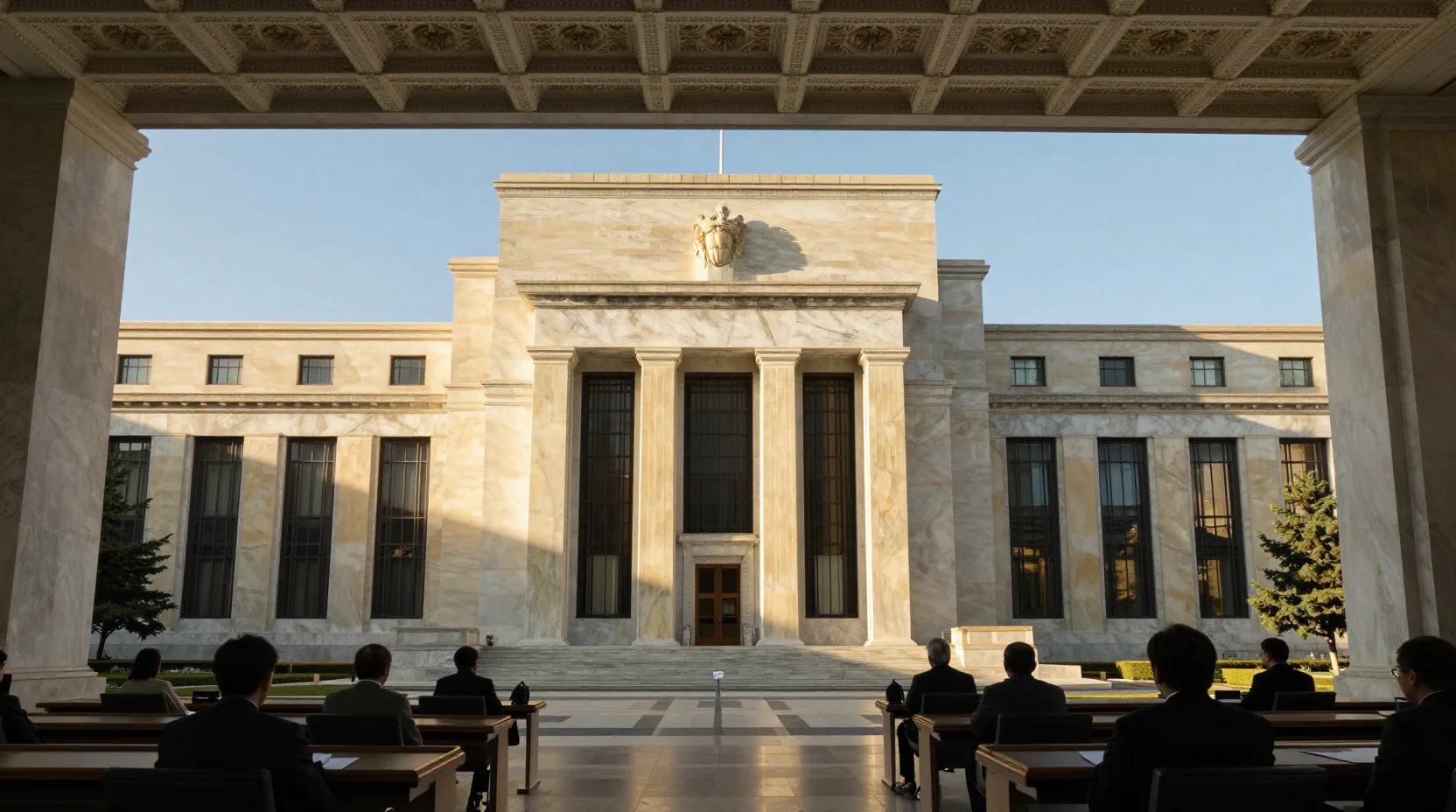
Why Markets Expect Nothing
Three factors drive the 0% probability pricing:
Economic Stability: GDP growth remains positive, unemployment near historic lows, and inflation moderating but not collapsing. The Fed's dual mandate suggests no urgency to act.
Trump Administration Policy Uncertainty: With the new administration taking office in January 2025, fiscal policy direction remains unclear. The Fed typically avoids major moves during political transitions.
Recent Fed Messaging: December 2025 FOMC minutes highlighted officials' desire to maintain restrictive policy until inflation clearly converges to 2% target. No pivot has been signaled.
Paths to a Surprise Cut
Despite 0% market pricing, several scenarios could force a surprise rate cut:
Scenario 1: Economic Deterioration
If data between now and January 29 shows sudden weakening—jobless claims spiking, retail sales collapsing, manufacturing contracting—the Fed could opt for an emergency cut. This scenario requires a sharp reversal from current trends.
Scenario 2: Financial Stability Concerns
Market stress, credit tightening, or liquidity issues in the banking system could prompt a surprise cut. The Fed has historically acted pre-emptively when financial stability risks emerge.
Scenario 3: Inflation Undershoot
Should inflation print significantly below expectations in the January 15 CPI release, Fed officials might move aggressively to avoid overtightening. A sub-2% reading would shift calculus dramatically.
Historical Precedent
The Fed has delivered surprise cuts before:
- January 2008: 75bp emergency cut during financial crisis
- March 2020: 100bp cut between scheduled meetings (COVID)
- October 2019: Mid-cycle cut due to global slowdown concerns
However, these instances featured clear catalysts—none of which are currently present.
Probability Assessment
While prediction markets price at 0%, a realistic assessment suggests:
- Surprise cut probability: 5-10%
- Most likely path: Status quo (hold)
- Risk asymmetry: Downside surprise more likely than hike
The 0% pricing likely overstates certainty. Even if a cut is unlikely, markets may be underpricing tail risks from economic weakening or financial stress.
Prediction
Direction: Bearish on rate cut probability Probability: 8% chance of surprise cut Horizon: 4 days (by January 29, 2026) Answer: No
The overwhelming weight of evidence suggests the Federal Reserve will hold rates steady at the January meeting. The 0% prediction market probability appears justified—economic data remains solid, Fed messaging is consistent, and no urgent catalyst has emerged.
However, the contrarian case for a surprise cut cannot be entirely dismissed. Should economic data deteriorate sharply in the next two weeks or financial stability risks emerge, the Fed has shown willingness to act decisively between scheduled meetings. Investors should monitor jobless claims, CPI releases, and market stress indicators for any shift in the calculus.
For now, the base case remains clear: no Fed action in January 2026, with the 0% probability pricing accurately reflecting the likely outcome.