The Federal Reserve's January 2026 Federal Open Market Committee (FOMC) meeting concludes on January 29, 2026, with market participants overwhelmingly expecting no change to the federal funds rate. The current target range stands at 4.25-4.50%, where it has remained since July 2025.
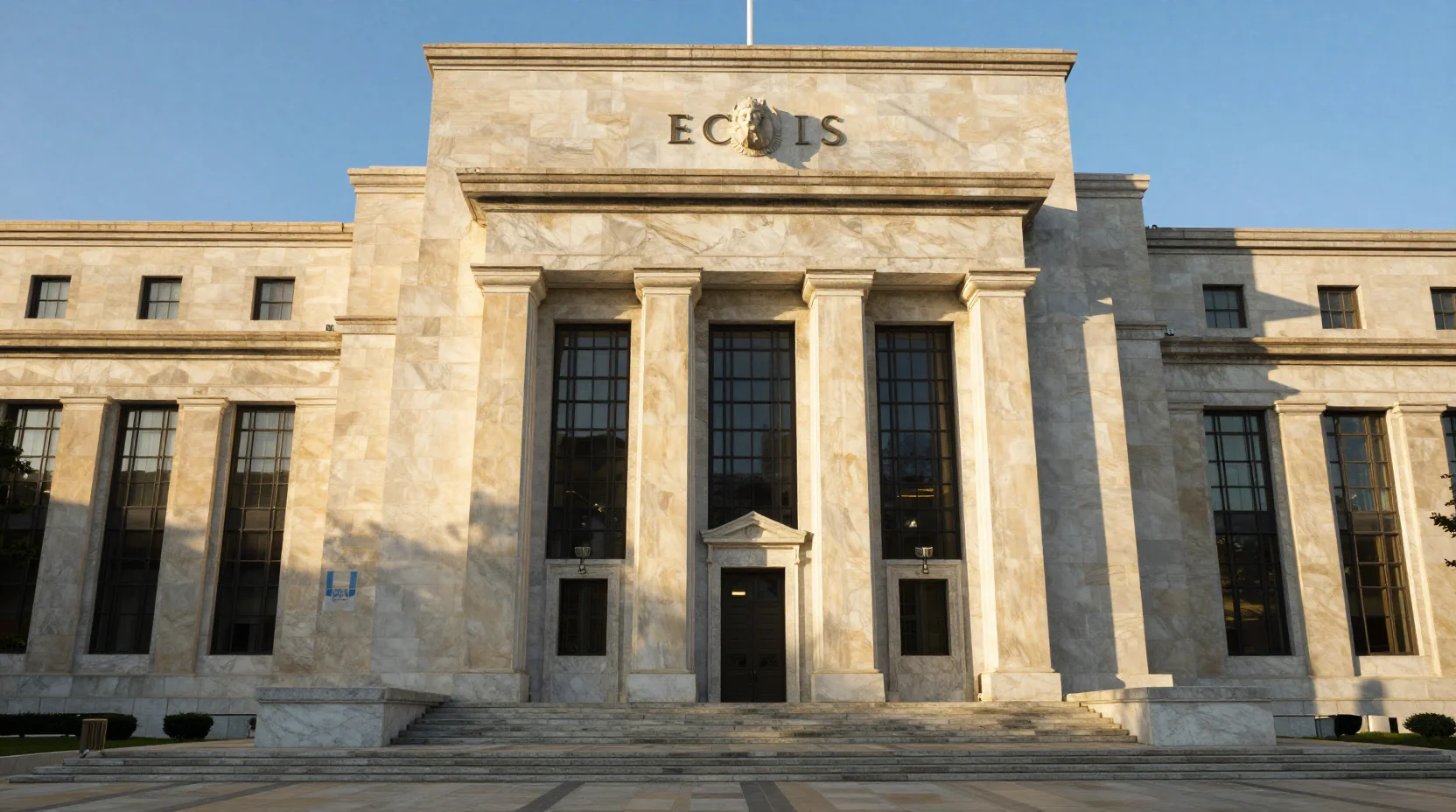
Current Market Positioning
Prediction markets show essentially zero probability of a rate adjustment at this meeting. Polymarket trading data indicates a 0% chance of any policy change, reflecting broad consensus that the Fed will maintain its current stance. Reuters polling of economists reinforces this view, with projections suggesting rates will hold steady not just through January, but potentially through March 2026 and beyond.
Economic Context
Recent economic data supports the Fed's wait-and-see approach. Household net worth increased by $6.1 trillion in Q3 2025, reaching $181.6 trillion, according to the Federal Reserve's Flow of Funds report. The value of corporate equities held directly and indirectly by households rose by $5.5 trillion during the quarter, signaling strong asset performance.
Fed Communications
Federal Reserve officials have consistently signaled that current policy settings are appropriate. San Francisco Fed President Mary Daly stated that "policy is in good place" and that any calibration should be "deliberate." Richmond Fed President Thomas Barkin described December inflation data as "encouraging", suggesting progress toward the Fed's 2% mandate without requiring immediate policy response.
Inflation Outlook
The encouraging inflation data referenced by Barkin aligns with the Fed's broader narrative of gradual disinflation without aggressive intervention. Core PCE prices, the Fed's preferred inflation gauge, have moderated in recent months, giving policymakers room to maintain current rates while assessing incoming data.
Political Considerations
Fed Chair Jerome Powell recently testified that administration officials had threatened him with criminal indictment over his Senate testimony, highlighting ongoing tensions between the central bank and executive branch. European Central Bank Governing Council member Olli Rehn warned that any loss of Fed independence would "push up inflation" and "threaten stability," reinforcing the importance of maintaining the Fed's autonomous decision-making authority.
Historical Context
The federal funds rate has remained at 4.25-4.50% since the Fed's last rate cut in July 2025, ending the most aggressive tightening cycle in four decades. The current pause represents the longest period of rate stability since the tightening began in March 2022, suggesting policymakers believe they have reached a sufficiently restrictive stance to cool inflation while monitoring economic impacts.
Prediction
Direction: Neutral
Probability: 95%
Horizon: 6 days (January 29, 2026)
Answer: No
The overwhelming weight of evidence suggests no rate change at the January meeting. Polymarket markets show 0% probability of action, economists polled by Reuters expect rates to hold through March, and Fed officials have communicated that current policy is appropriately calibrated. The only scenarios that would prompt a surprise move would be significantly worse-than-expected inflation data or major financial stability concerns, neither of which appear to be present based on current information.