
The Federal Open Market Committee (FOMC) is scheduled to conclude its January 2026 meeting on January 28, with markets watching closely for any shifts in monetary policy stance. The meeting comes amid ongoing discussions about the trajectory of interest rates following the Fed's previous rate decisions in 2025.
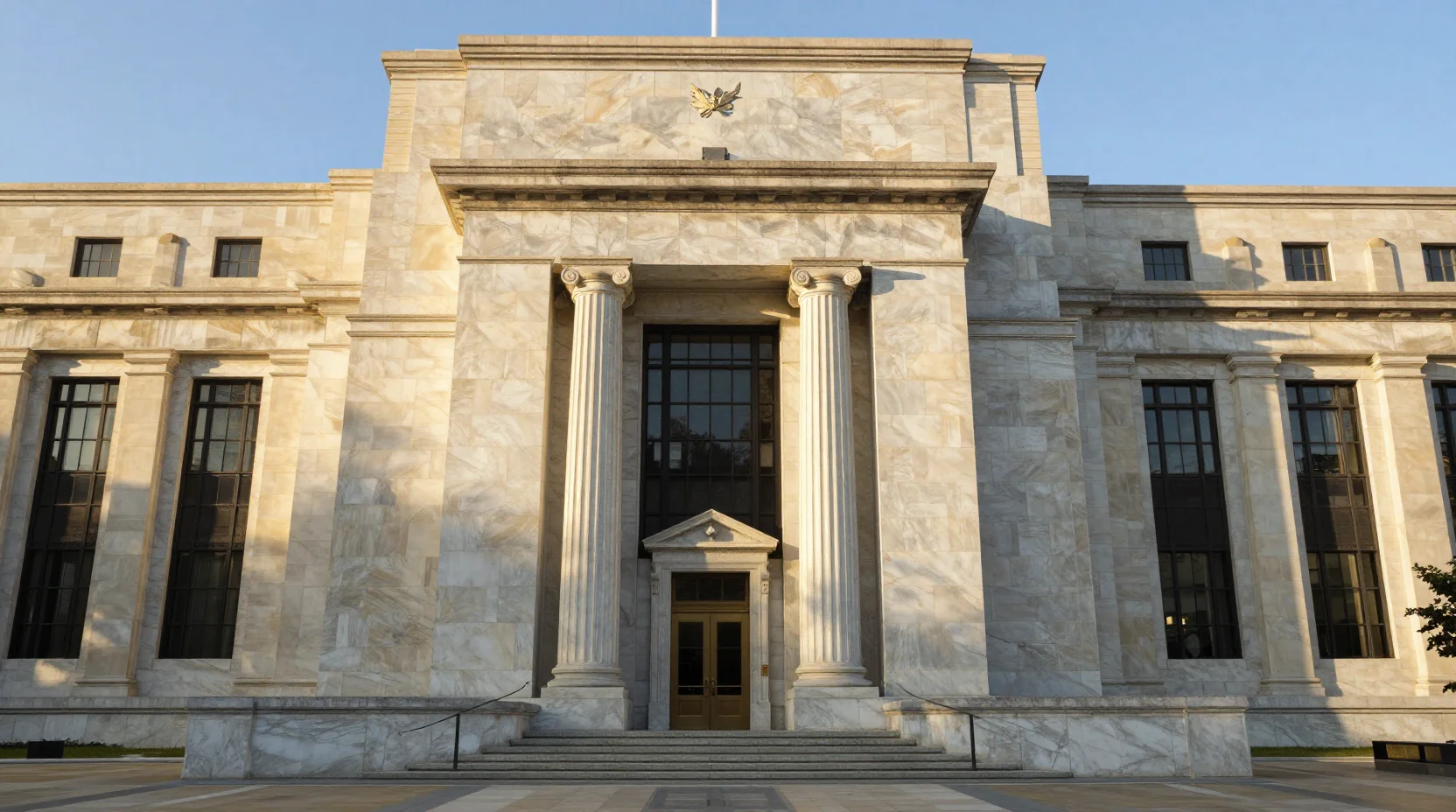
Current Situation
The Federal Reserve has maintained elevated interest rates throughout 2025 to combat persistent inflation pressures. The current federal funds rate target range stands at levels not seen since the early 2000s, reflecting the Fed's commitment to bringing inflation back to its 2% target. Market participants are closely analyzing economic data releases for signals about potential policy adjustments.
Market Expectations
Prediction markets are assigning virtually zero probability to a rate cut at the January meeting, with Polymarket participants showing overwhelming confidence that the Fed will hold rates steady. The market sentiment reflects several key factors:
- Inflation remains above the Fed's 2% target across multiple measures
- The labor market continues to show resilience with unemployment remaining low
- Economic growth data indicates stable expansion
- Fed officials have consistently emphasized a data-dependent approach
Historical Context
The Federal Reserve typically avoids significant policy shifts at the first meeting of a new year, preferring to use the January gathering to assess the economic landscape and set expectations for the coming months. Historical patterns show that major policy announcements more frequently occur at later meetings, particularly in March, June, or September, when the Fed releases updated economic projections.
Key Considerations
Several factors support the expectation for a hold decision at the January meeting:
Economic Data: Recent readings on core PCE inflation, the Fed's preferred measure, have shown modest progress but remain elevated
Labor Market Strength: Employment data continues to show job growth and wage increases, suggesting no urgency for accommodative policy
Global Uncertainty: Geopolitical tensions and international economic conditions provide additional reasons for the Fed to maintain its current stance
Communication Strategy: Fed Chair Jerome Powell has emphasized the need for sustained evidence of inflation progress before considering rate reductions
Prediction
Direction: Neutral Probability: 5% Horizon: 2 days (January 28, 2026) Answer: No
Based on current market pricing, Fed communications, and economic data, the probability of a rate cut at the January 2026 meeting is extremely low. Prediction markets are essentially pricing in zero chance of a cut, while historical patterns suggest the Fed will use this meeting to signal continuity rather than initiate a new policy direction. The most likely outcome is a hold decision with language emphasizing the data-dependent nature of future policy moves.