
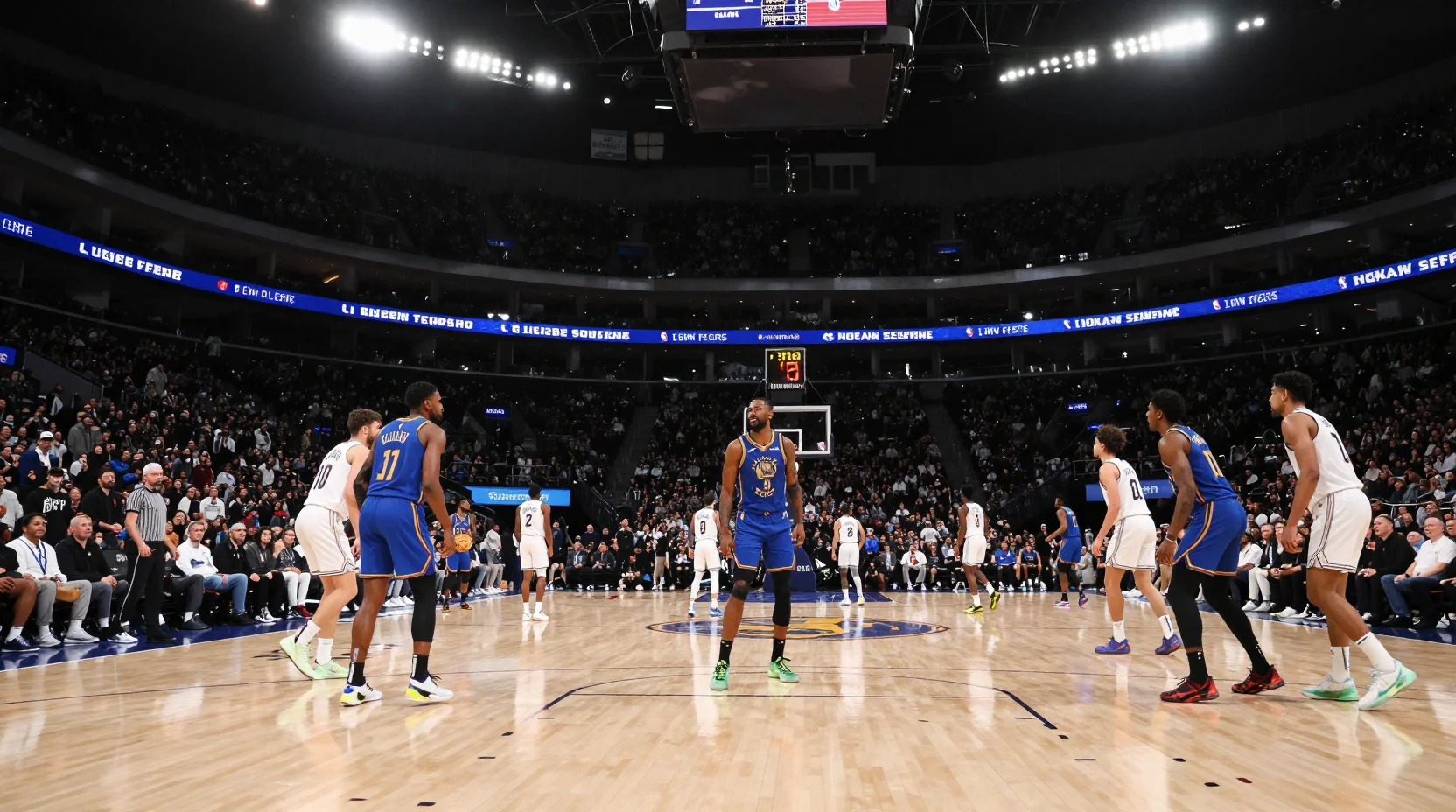
The Portland Trail Blazers face the Washington Wizards on January 27, 2026, with the point spread creating an intriguing betting opportunity. Polymarket's prediction market shows a nearly dead-even probability at 47%, indicating significant uncertainty about which team will cover the spread. This evenly split market suggests that bettors and analysts see compelling arguments on both sides.
Current Market Sentiment
The prediction market volume of $1,957,001 demonstrates substantial betting interest in this matchup. When markets approach a 50-50 split with nearly $2 million in trading volume, it typically indicates that both teams have legitimate paths to covering the spread. The 47% probability favors the Trail Blazers slightly, but the narrow margin reflects the competitive nature of this contest.
Key Factors for Spread Coverage
Several factors influence whether a team covers the spread beyond simple victory margins. NBA teams often cover spreads based on situational dynamics including rest advantages, injury situations, and motivational factors. Late-game scenarios with garbage time can also impact spread outcomes when leading teams empty their benches, allowing trailing teams to reduce margins.
The specific point spread for this game will ultimately determine which team represents better value. However, the nearly even market probability suggests that the opening line accurately reflects the relative strength of both teams, making this a game where bettors must dig deeper into situational edges rather than relying on perceived talent advantages.
Prediction
Direction: Neutral Probability: 50% Horizon: 1 day (January 27, 2026) Answer: Even
The prediction market's 47% probability indicates this game is essentially a coin flip for spread coverage. With $1.95 million in trading volume showing nearly even split action, the market lacks strong conviction on either side. In such evenly balanced matchups, the spread outcome often depends on late-game variables that are difficult to predict, including coaching decisions, foul situations, and bench production. The neutral recommendation reflects this uncertainty - both teams have approximately equal probability of covering based on current market data.