
With only five days remaining until the January 31, 2026 deadline, prediction markets are assigning an 80% probability that the United States federal government will experience a shutdown. The market, which has seen $8.6 million in trading volume, reflects strong investor sentiment that funding negotiations between Congress and the White House will not reach a resolution in time.
Current Situation
As of January 26, 2026, the federal government faces a critical funding deadline. The current continuing resolution, which has been funding government operations temporarily, is set to expire on January 31, 2026. Congressional leadership must either pass a full appropriations package or approve another continuing resolution to prevent a lapse in federal funding.
The prediction market's 80% probability of a shutdown represents a significant increase in uncertainty compared to previous funding cycles. This elevated probability suggests that negotiators have not reached consensus on key spending priorities, policy riders, or funding levels for federal agencies.
Key Factors Influencing the Deadline
Several factors are contributing to the heightened risk of a government shutdown by January 31, 2026:
Time Constraints: With only five days until the deadline, Congress faces a compressed timeline for drafting, debating, and passing funding legislation. Even if negotiators reach an agreement, the legislative process typically requires more time than available.
Policy Disagreements: Funding negotiations often involve disputes over policy provisions attached to spending bills. These policy riders can range from immigration enforcement to environmental regulations, creating additional friction between parties.
Continuing Resolution Fatigue: Multiple temporary funding extensions have already been required. The use of continuing resolutions rather than full-year appropriations bills suggests ongoing difficulty in reaching long-term funding agreements.
Market Sentiment: The $8.6 million in trading volume on this prediction market indicates substantial public interest and concern about the outcome. High trading volume typically reflects uncertainty about the direction of events.
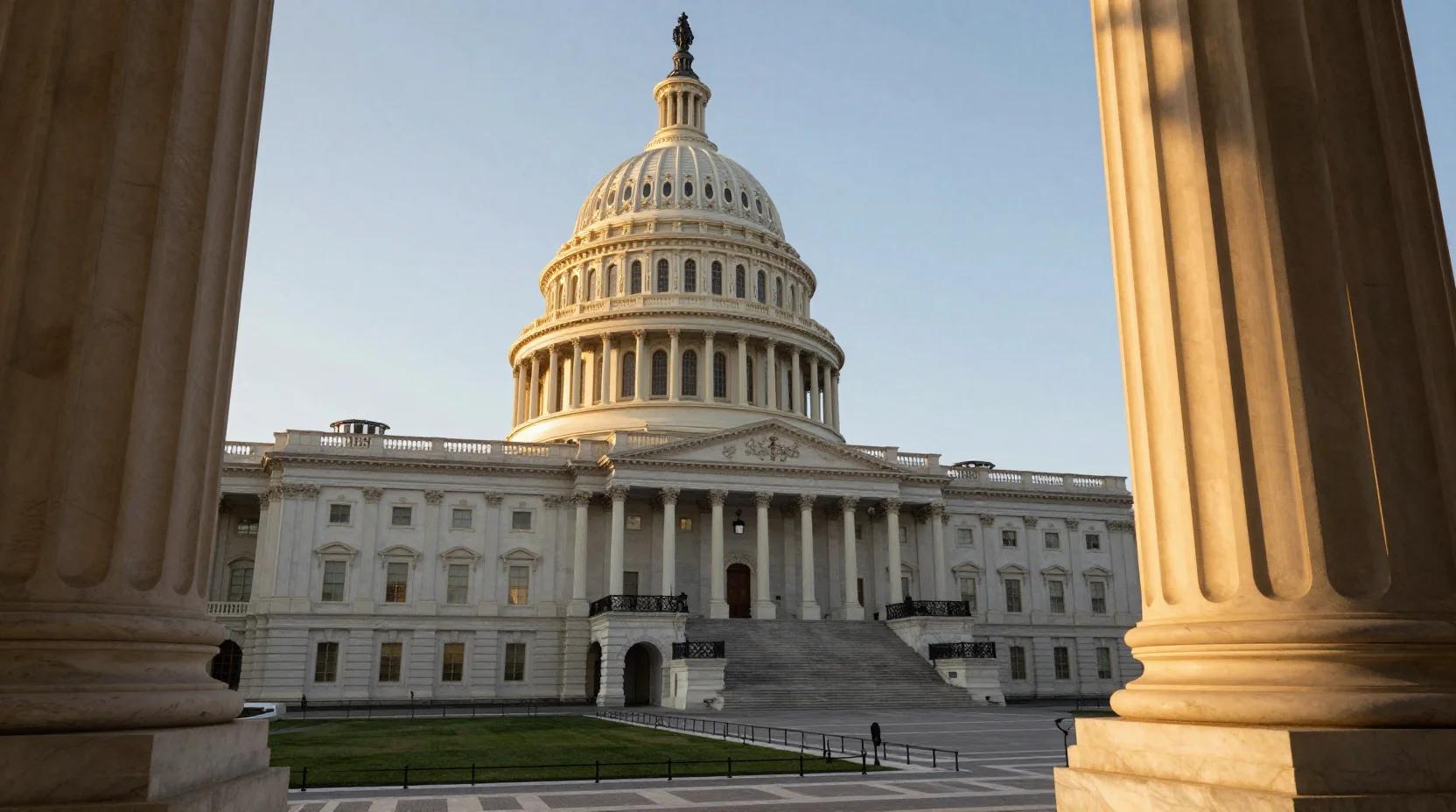
Historical Context of Government Shutdowns
Government shutdowns occur when Congress fails to enact appropriations or continuing resolutions to fund federal government operations. During a shutdown, federal agencies must cease all non-essential operations until funding is restored.
Recent shutdowns have varied in duration and impact. Some have lasted only a few days, while others have extended for weeks. The economic consequences include furloughs of federal workers, delays in government services, and disruption to federally funded programs.
Market-Based Probability Assessment
The 80% probability assigned by prediction markets reflects several inputs:
- Negotiating posture from Congressional leadership
- Public statements from the White House and appropriators
- Historical patterns of previous funding cycles
- Current political dynamics in Congress
Prediction markets aggregate information from thousands of participants who stake money on their predictions. This mechanism often proves more accurate than expert forecasts or opinion polls.
Timeline to January 31, 2026
With the deadline just five days away, the window for avoiding a shutdown is narrowing. Each day that passes without a framework agreement reduces the time available for legislative text to be drafted, reviewed, and passed through both chambers of Congress.
Historically, last-minute agreements have occasionally averted shutdowns, but these typically require substantial groundwork to have been laid in advance. The compressed timeline increases the risk of a temporary lapse in funding.
Prediction
Direction: Bearish (toward shutdown) Probability: 80% Horizon: 5 days (January 31, 2026) Answer: Yes
The prediction market's 80% probability reflects strong sentiment that a government shutdown will occur by January 31, 2026. The combination of time constraints, unresolved policy disagreements, and the need for either full appropriations or another continuing resolution creates substantial risk of a funding lapse. The high trading volume on this market indicates broad recognition of this risk among informed observers.