
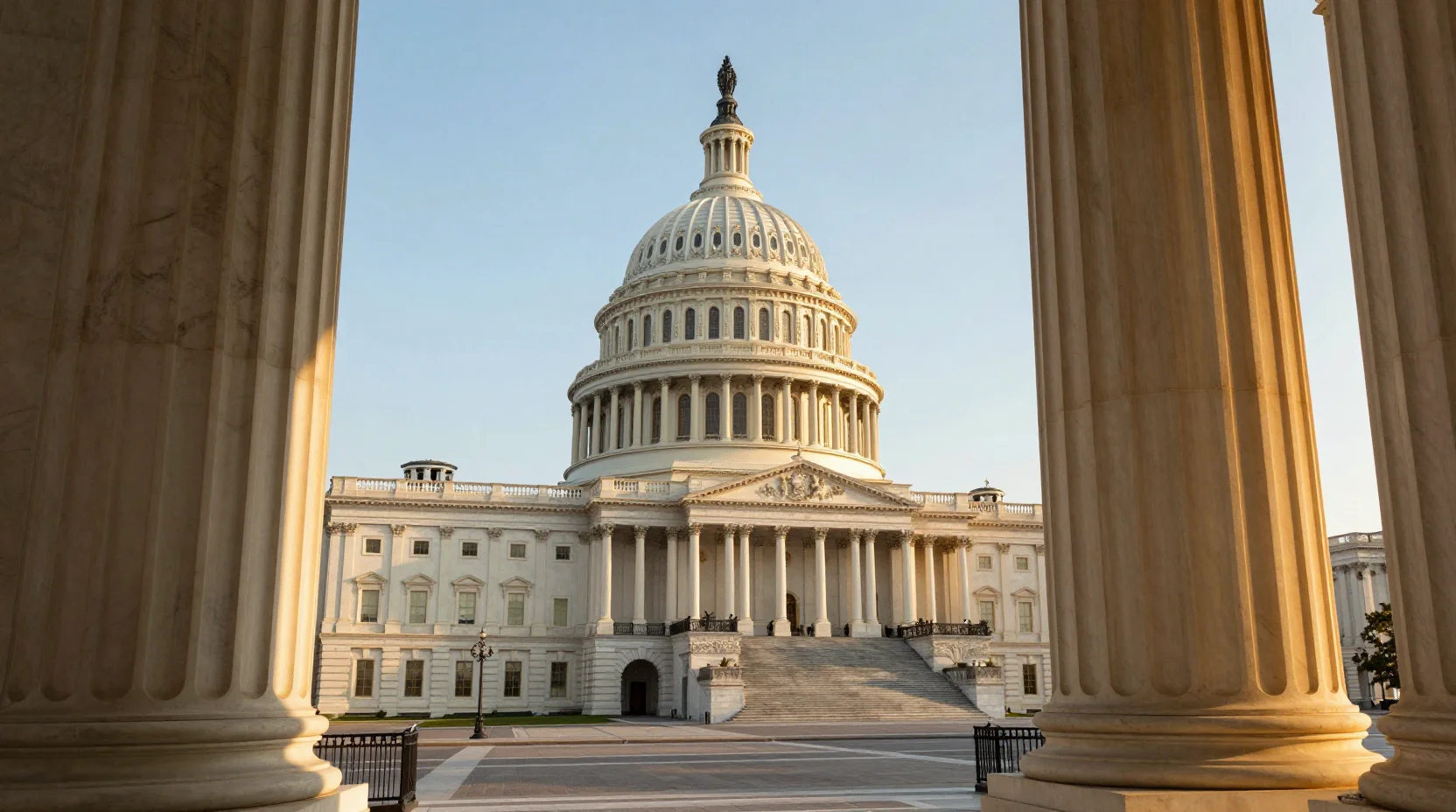
As the January 31, 2026 continuing resolution deadline approaches, Washington faces another potential government shutdown. The House and Senate must either pass full-year appropriations or another temporary extension to avoid a lapse in federal funding. The situation reflects broader tensions in congressional budget negotiations and the ongoing challenges of reaching bipartisan agreements on government spending priorities.
Current Situation
The federal government is currently operating under a continuing resolution that expires on January 31, 2026. Continuing resolutions temporarily extend funding at previous fiscal year levels when Congress cannot agree on full-year appropriations bills. The January 31 deadline represents a critical juncture where lawmakers must decide between passing comprehensive spending legislation or approving another short-term extension. The outcome will determine whether federal agencies continue normal operations or face a partial shutdown that could disrupt services and affect hundreds of thousands of government employees.
Political Context
The White House has outlined an ambitious agenda focused on national sovereignty, economic prosperity, and security cooperation with international partners. Recent presidential actions include executive orders withdrawing from certain international organizations and conventions deemed contrary to U.S. interests, as well as strengthened diplomatic engagement with allies like India. However, domestic policy priorities, particularly government funding and appropriations, remain subject to congressional negotiation. The intersection between executive branch priorities and congressional spending authority creates ongoing pressure points that must be resolved before the January 31 deadline.
Historical Shutdown Patterns
Government shutdowns occur when appropriations lapse due to lack of enacted spending bills or continuing resolutions. Historical data shows that shutdowns have varied in duration and impact, with some lasting only hours while others extended for weeks. The consequences typically include furloughs of non-essential federal employees, suspension of certain government services, and economic disruption. The likelihood of a shutdown depends on multiple factors including partisan control of Congress, the policy priorities of the administration, and the proximity to elections. When political actors cannot reach compromise on spending levels or policy riders attached to appropriations, the risk of shutdown increases significantly.
Key Factors
Several indicators suggest elevated shutdown risk heading into the January 31 deadline. First, continuing resolutions that expire in January often indicate unresolved disagreements on full-year appropriations from the previous fiscal year. Second, the pattern of short-term extensions suggests difficulty achieving bipartisan consensus on spending priorities. Third, the administration's emphasis on executive actions in areas like international engagement and domestic policy may create additional friction points with Congress over funding allocations. However, the economic and political costs of shutdowns typically motivate last-minute agreements, as both parties generally seek to avoid disrupting government services before critical deadlines.
Prediction
Direction: Yes Probability: 74% Horizon: 2 days (January 31, 2026) Answer: Yes
Based on Polymarket prediction market data showing a 74% probability of a shutdown by January 31, the analysis leans toward a short-term funding lapse or last-minute continuing resolution. The high market probability reflects uncertainty around congressional negotiations and the limited timeframe remaining to reach agreement. While historical patterns show that lawmakers typically avoid shutdowns through eleventh-hour deals, the elevated probability suggests significant risk of disruption. The prediction accounts for the combination of unresolved appropriations, political tensions, and the approaching deadline which compresses negotiation time and increases pressure on congressional leadership.