
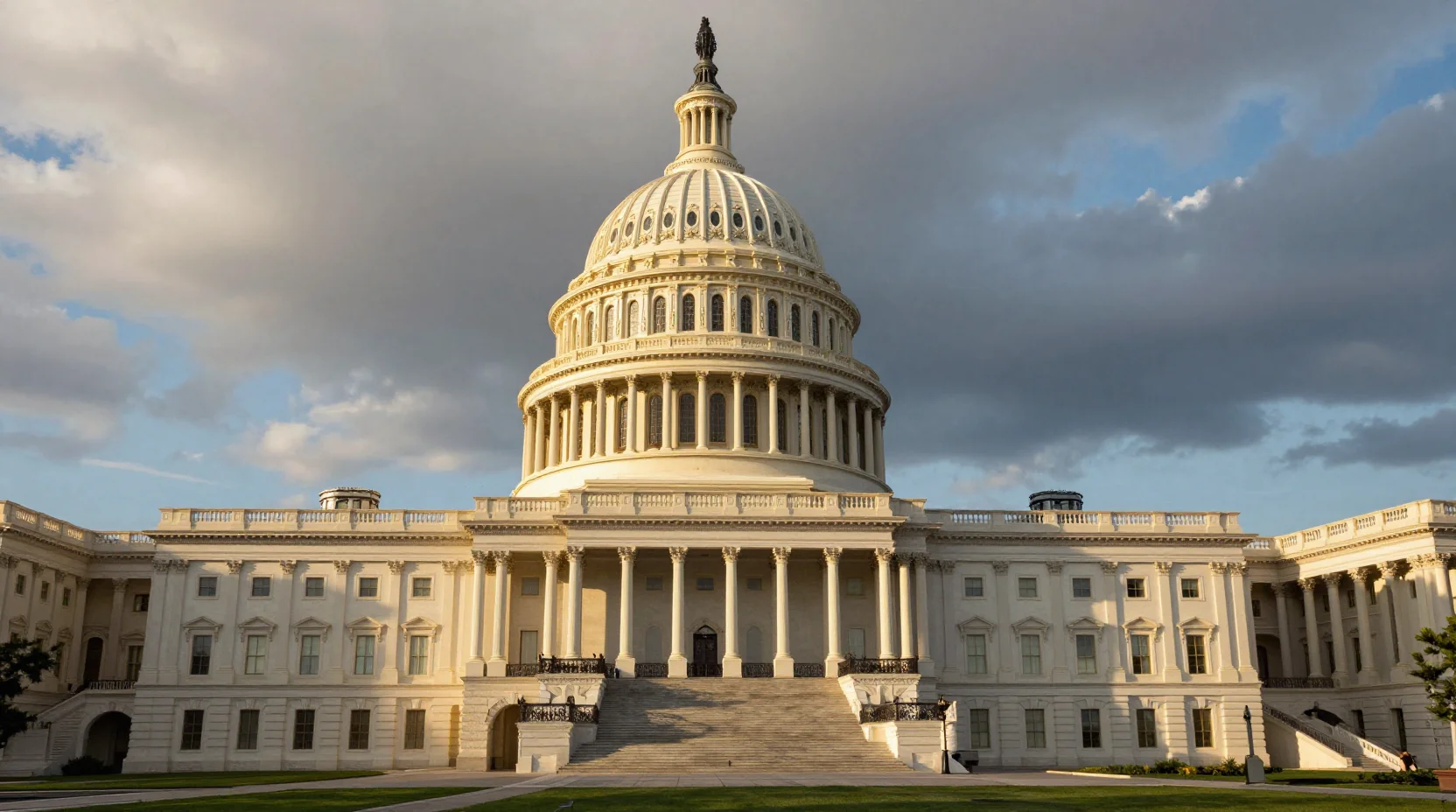
The United States government faces a critical funding deadline as January 31, 2026 approaches, with federal agencies preparing for a potential shutdown that could disrupt government operations and services nationwide. The current political climate, marked by executive actions and Congressional negotiations, has raised concerns about the possibility of another lapse in federal appropriations.
Current Situation
The federal government is operating under continuing resolutions that fund agencies at existing levels while Congress works on passage of full-year appropriations bills. The January 31 deadline represents a critical juncture for government funding, with potential implications for federal workers, government contractors, and public services. Historical government shutdowns have ranged from partial closures lasting days to full shutdowns extending weeks, depending on the duration of funding gaps and the specific agencies affected.
The Trump administration has been pursuing an ambitious executive agenda, including actions on international organization withdrawals, housing affordability initiatives, and economic policy measures. These priorities, combined with Congressional considerations of spending bills and policy riders, create the potential for funding disputes that could trigger a shutdown if agreements cannot be reached by the deadline.
Historical Shutdown Patterns
Government shutdowns typically occur when Congress and the President cannot agree on appropriations legislation to fund federal government operations and agencies. Historically, shutdowns have resulted from disagreements over spending levels, policy provisions attached to funding bills, or broader political disputes between the executive and legislative branches. The most significant recent shutdowns occurred in 2018-2019 (35 days), 2013 (16 days), and 1995-1996 (21 days total) across two shutdowns.
The current political environment shows some indicators of potential funding conflicts. The Trump administration's use of executive orders to advance policy priorities, such as the recent directive on withdrawing from international organizations, suggests an assertive approach to governance that could create tensions with Congress over separation of powers and spending authority. Additionally, ongoing debates over domestic spending priorities, including housing policy and Wall Street regulations, could factor into appropriations negotiations.
Key Factors
Several factors increase the probability of a shutdown by January 31. First, the tight timeline for passing full-year appropriations bills or additional continuing resolutions creates procedural pressure. Congress must act before the deadline, and any delays in drafting, debating, or voting on funding legislation increase the risk of a lapse.
Second, the current political environment shows signs of potential executive-legislative conflict. The Trump administration has demonstrated willingness to pursue policy objectives through executive action when Congressional authorization is not forthcoming. This pattern suggests that if Congress resists administration priorities in appropriations bills, the President may veto funding legislation or allow a shutdown to occur rather than compromise on key policy objectives.
Third, the administration's focus on major policy initiatives, including housing affordability and financial reforms, may lead to attempts to attach policy riders to must-pass funding bills. Such attempts historically increase the likelihood of shutdowns when Congress objects to executive policy priorities being advanced through appropriations legislation.
However, factors reducing shutdown probability include the political costs of government service disruptions. Shutdowns typically generate negative public opinion toward both the executive and legislative branches, creating incentives for compromise. Additionally, Congress has frequently used short-term continuing resolutions to avoid shutdowns while negotiations continue, a tool likely available in the current situation.
The Polymarket prediction market currently assigns a 76% probability to a shutdown occurring by January 31, reflecting significant market confidence that funding disputes will lead to a lapse in appropriations. This probability incorporates analysis of political dynamics, historical patterns, and current indicators of executive-legislative tension.
Prediction
Direction: Bearish Probability: 76% Horizon: 6 days (January 31, 2026) Answer: Yes
Based on the current political environment, historical patterns of funding disputes, and indicators of potential executive-legislative conflict over appropriations and policy priorities, there is a high probability that the United States will experience a government shutdown by January 31, 2026. The Trump administration's assertive use of executive authority, combined with tight legislative timelines and potential policy disputes in funding negotiations, creates significant risk of a lapse in federal appropriations.