
The United States government faces a critical funding deadline of January 31, 2026, with only 6 days remaining for Congress to pass appropriations legislation or a continuing resolution to prevent a federal shutdown. According to Polymarket prediction markets, traders assign a 77% probability of a shutdown occurring, with over $6 million in trading volume reflecting strong market conviction in this outcome.
Current Situation
The federal government is currently operating under a temporary funding measure that expires January 31, 2026. Congressional leaders must either pass full-year appropriations bills for fiscal 2026 or enact another continuing resolution to maintain government operations. The political climate remains highly polarized, with significant policy disagreements between the executive and legislative branches on spending priorities and conditions for funding.
Recent executive actions have included major policy shifts on international organization funding and domestic spending priorities, which may complicate negotiations with Congress. The current funding period has seen continued implementation of tariffs and deregulatory policies, which have become points of contention in budget discussions.
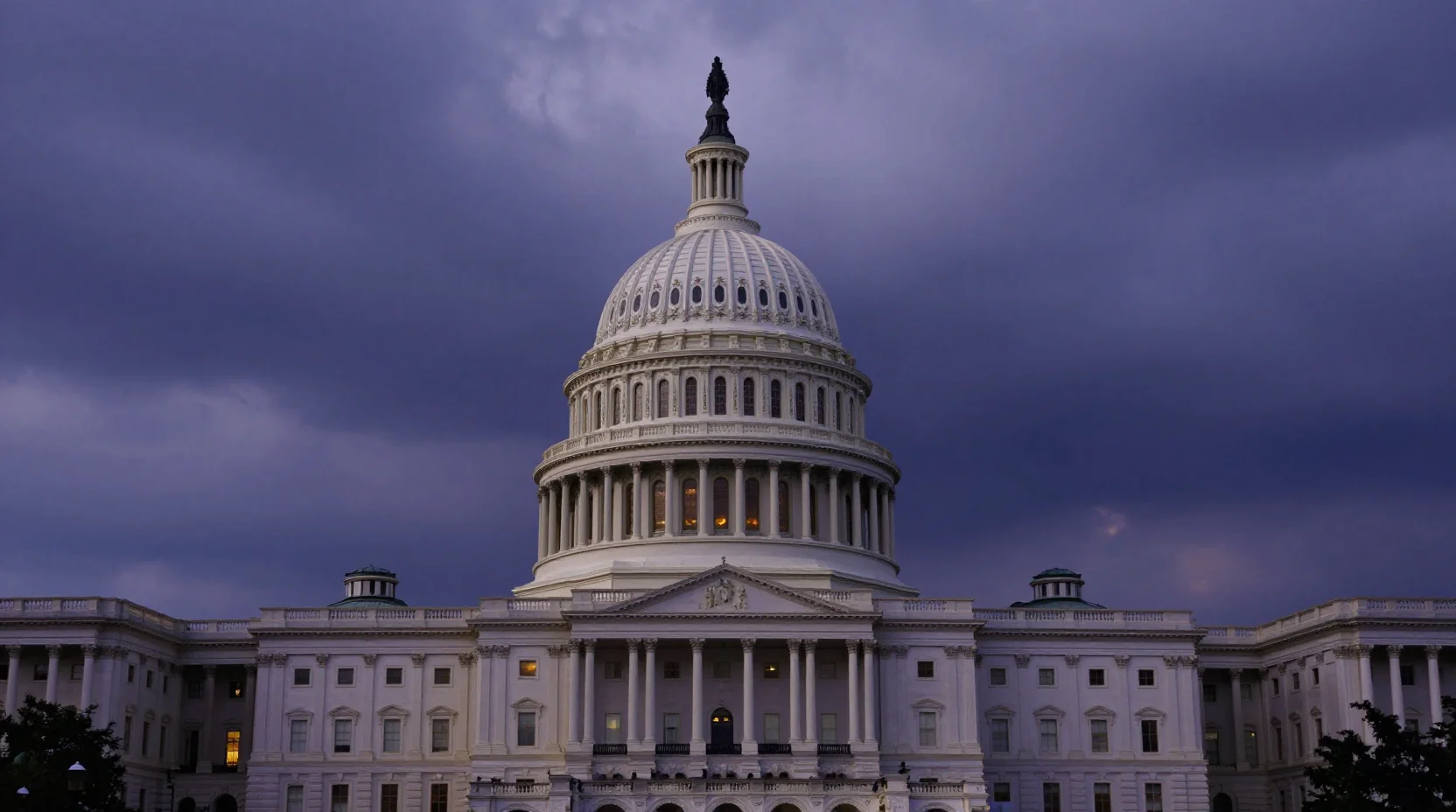
Key Factors Influencing Shutdown Risk
Political Dynamics
The relationship between the executive branch and Congress remains strained, with ongoing disputes over executive authority and spending decisions. Recent executive orders withdrawing from international organizations and redirecting funds have raised constitutional questions and potential legislative challenges. The administration's focus on tariff revenue and spending cuts faces resistance from legislators concerned about impacts on their constituents and economic stability.
Economic Context
The administration has touted low inflation and wage growth as evidence of economic success, using these metrics to justify spending reductions. However, economic indicators show mixed signals, with housing affordability remaining a concern despite recent improvements. The political pressure to maintain economic momentum ahead of the 2026 midterm elections creates both incentives to avoid shutdown and leverage for policy demands.
Historical Patterns
Government shutdowns have become increasingly common in recent years as political polarization intensifies and budget negotiations become tied to policy demands. The use of continuing resolutions rather than full appropriations has grown, creating recurring cliff-edge deadlines that increase shutdown risk. Historical data shows that shutdowns occurring when one party controls the White House and another controls Congress tend to last longer and be more disruptive.
Timeline Constraints
With only 6 days until the deadline, the window for legislative action is narrowing rapidly. Complex appropriations bills typically require weeks of negotiation and drafting, while continuing resolutions still require bipartisan agreement on duration and conditions. The proximity of the deadline to major policy initiatives and economic priorities reduces flexibility for compromise.
Prediction
Direction: Bearish
Probability: 77%
Horizon: 6 days (January 31, 2026)
Answer: Yes
Based on Polymarket prediction data showing 77% probability with significant trading volume, combined with the compressed timeline, political polarization, and historical pattern of budget brinkmanship, a government shutdown by January 31 appears likely. The combination of policy disagreements between branches, limited time for complex negotiations, and the use of funding deadlines as leverage points all increase shutdown risk. However, the economic costs and political risks of a shutdown may drive last-minute compromise, preventing the complete assessment of certainty in this outcome.