
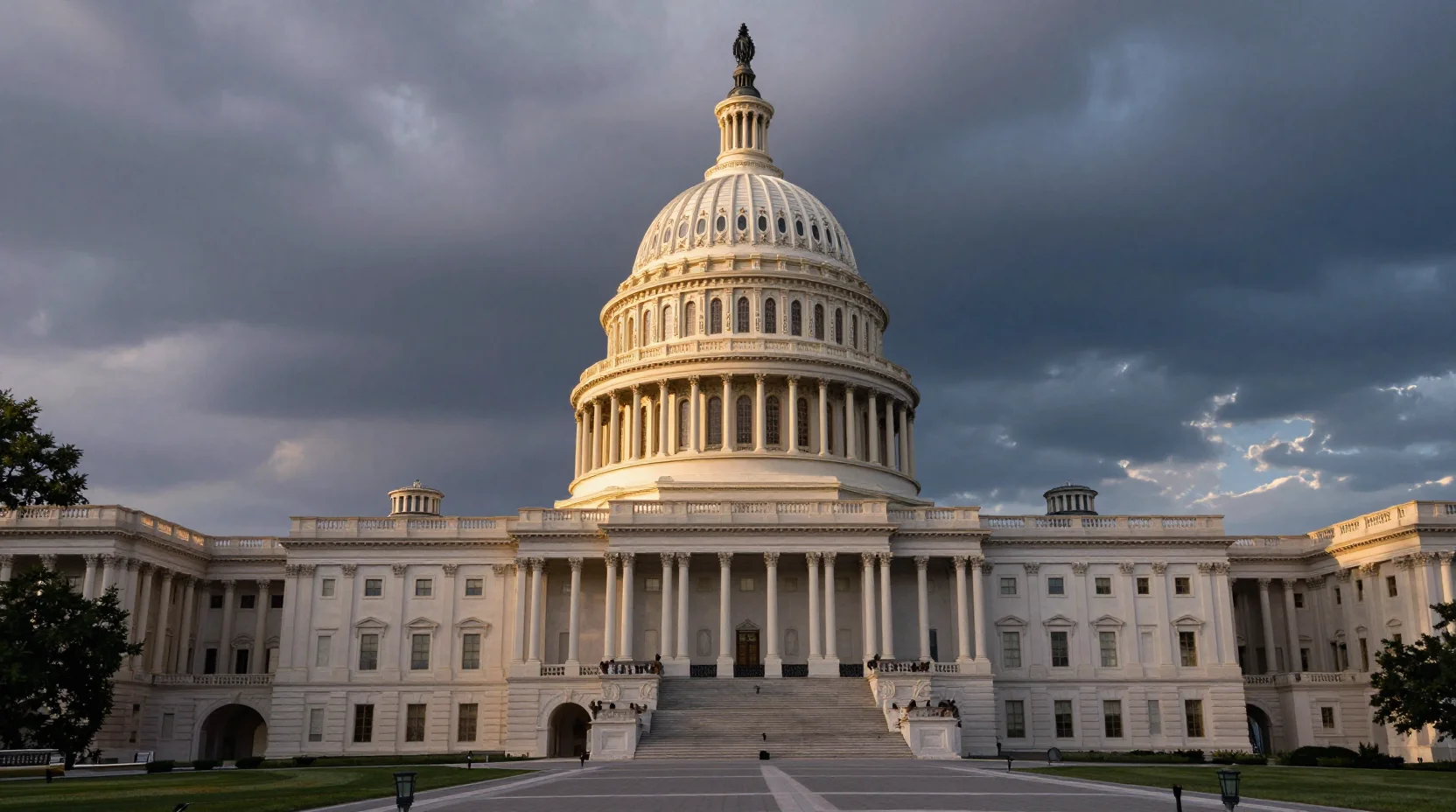
As the January 31, 2026 funding deadline approaches, the United States faces the possibility of a government shutdown that could disrupt federal operations and economic activities. With Congress yet to pass appropriations legislation to fund government agencies, the outcome of this fiscal standoff carries significant implications for federal workers, government contractors, and broader economic stability.
Current Situation
The federal government faces a funding deadline on January 31, 2026, with critical appropriations legislation still pending in Congress. Failure to enact funding measures would result in a partial government shutdown, affecting various federal agencies and programs. Historical data shows that government shutdowns typically occur when appropriations bills lapse due to political impasses between the executive branch and legislative chambers.
Economic Impact Assessment
Direct Economic Effects
Government shutdowns produce measurable economic consequences through multiple channels. Federal employee furloughs directly reduce consumer spending, as hundreds of thousands of workers either face temporary unemployment or work without immediate pay. This reduction in disposable income ripples through local economies, particularly in regions with high concentrations of federal workers and government contractors.
GDP and Growth Implications
Historical analysis indicates that government shutdowns reduce quarterly GDP growth by approximately 0.1 to 0.5 percentage points per week of shutdown duration. This economic drag stems from reduced government spending, delayed federal contracts, and suspended government services that normally support economic activity. The cumulative impact depends on shutdown length, with extended closures producing more severe contractions in economic output.
Business and Market Disruptions
Federal contractors face immediate revenue losses when government agencies close, as contract work halts and payments suspend. Small businesses dependent on government permits, licenses, or approvals experience operational delays that affect their revenue streams. Financial markets typically exhibit increased volatility during shutdown periods as investors weigh the economic uncertainty against potential political resolutions.
Government Operations Affected
Federal Services
During shutdowns, non-essential federal services cease, including national parks, museums, and administrative processing centers. These closures impact tourism revenue and delay government services that businesses and individuals rely on for planning and compliance activities. Essential services continue, but with reduced staffing and potential delays.
Economic Data Releases
Critical economic data releases from agencies such as the Bureau of Labor Statistics and Federal Reserve experience delays, depriving markets and policymakers of timely information on employment, inflation, and economic growth indicators. This data vacuum increases uncertainty for business investment decisions and monetary policy considerations.
Historical Patterns and Resolution
Government shutdowns historically last from days to weeks, with resolution typically occurring through negotiated funding agreements or continuing resolutions that temporarily extend government operations. The economic costs include both immediate disruption costs and longer-term administrative expenses associated with reopening government offices and processing backlogged work.
Prediction
Direction: Bearish
Probability: 77%
Horizon: 2 days (January 31, 2026)
Answer: Yes
Based on the current political standoff over appropriations and the proximity to the January 31 funding deadline, the probability of a government shutdown is elevated. The Polymarket prediction market shows 77% odds of a shutdown occurring by January 31, reflecting significant uncertainty about Congress reaching a funding agreement in time. Economic consequences would include reduced consumer spending from federal worker furloughs, business disruptions for government contractors, increased market volatility, and measurable GDP impact proportional to shutdown duration.